Home » Resource hub » What should we learn in school?
*BREAK FOR SERVICE ACTIVITY*
As you go through your service activity today, listen to what people are saying that can inform your own choices. What are some words and phrases that come up (keep a list) that can help guide you toward thinking about innovation as a path to a more equitable model of education?Read the passage below:
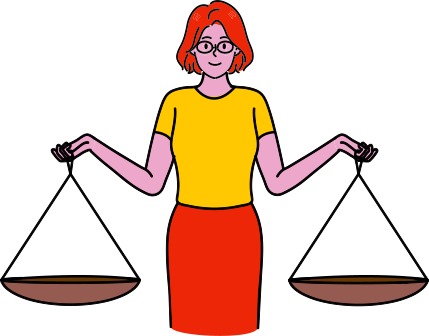
The exploration above prompted us to think about the value of innovation as it relates to the issue of educational inequality. Expanding the scope of what constitutes a valuable education, to include things like lived experience, will allow for a more broadly conceived and equitable educational landscape. Using the Talmudic narrative of Hillel the Elder as a frame encourages us to think about our own choice points and decisions made as we work to balance the educational landscape.
Facilitator prompts the group: